Monsoon Overlanding in the Western Ghats: Water Crossings, Mud Handling & Safety
Monsoon Overlanding in the Western Ghats: Water Crossings, Mud Handling & Safety
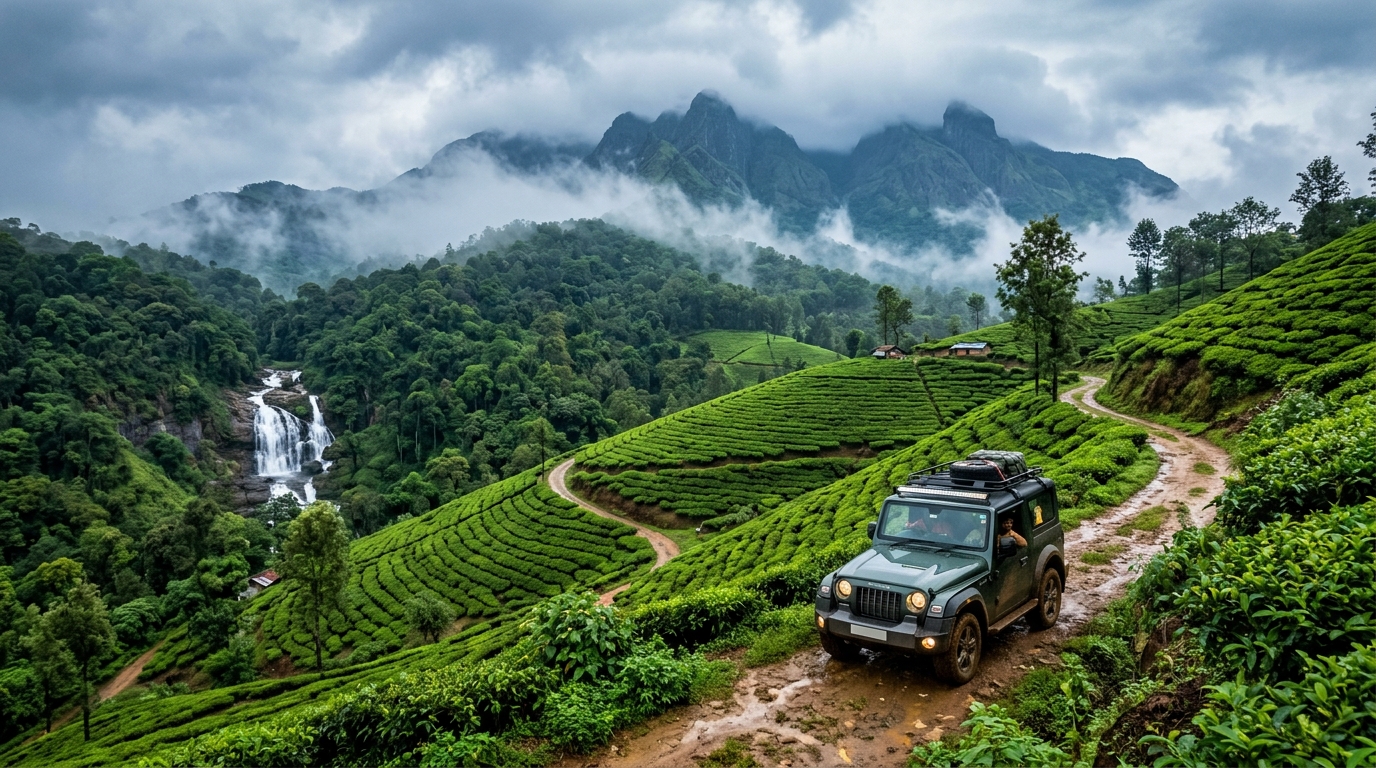
When the South-West monsoon sweeps across South India from June through September, the Western Ghats transform into a lush, emerald paradise filled with roaring waterfalls, overflowing rivers, and dense mist. For 4x4 overlanders, it is the most exciting season to hit estate off-road trails in Sakleshpur, Chikmagalur, Coorg, and Wayanad.
However, monsoon off-roading presents serious challenges: swollen river crossings, deep clay slush, reduced visibility, and flash floods. Here is how to navigate monsoon trails safely.
1. Snorkels & Calculating Safe Wading Depth
Water entering an engine intake causes hydro-lock—compressing water inside cylinders breaks connecting rods and destroys the engine instantly.
- Stock Wading Depth: Know your 4x4’s stock wading depth limit (e.g., Thar 650mm, Jimny 300mm, Fortuner 700mm).
- Raised Snorkels: Installing a functional, sealed snorkel raises the engine air intake above roof line height, providing vital protection against bow waves during river crossings.
- Differential Breather Lines: Ensure differential and transfer case breather hoses are raised above water level to prevent water from contaminating oil.
2. River Crossing Techniques & Golden Rules
Never drive blind into a flowing river or flooded trail section.
- Walk the Crossing First: If the water current is too fast or deep for a person to walk across safely, it is too dangerous to drive. Check for submerged boulders, hidden ruts, and mud holes.
- Engage 4L Low-Range: Select Low-Range 4WD (4L) in 2nd gear before entering the water to ensure continuous torque without stalling.
- Maintain a Steady Bow Wave: Enter the water slowly, then build a gentle, constant forward speed (5–10 km/h) to push a bow wave ahead of your bumper. This creates a low-water trough behind the grille, protecting your radiator fan and intake.
- Never Change Gears in Water: Depressing the clutch underwater allows mud and sand to enter the clutch plate assembly. Maintain steady throttle in your chosen gear until clear of the riverbank.
3. Mud & Slush Traction Techniques
Monsoon clay in the Western Ghats turns unpaved tracks into slippery grease slides.
- Tire Pressure: Lower tire pressure to 18-20 PSI to widen the tread footprint and self-clean mud from tread lugs.
- Momentum Control: Maintain steady, progressive momentum up slushy inclines. Avoid sudden floor-it throttle stabs that break traction and spin wheels needlessly into deep ruts.
- Differential Locks: Engage rear/front differential locks before entering deep mud sections to ensure equal power delivery to all wheels.
4. Post-Water-Crossing Maintenance Inspection
After completing heavy water crossings or multi-day monsoon trail runs:
- Brake Drying: Gently tap your foot brake while driving at low speed to burn off water and restore friction to brake pads.
- Check Differential Oils: Inspect differential oil dipsticks or fill plugs. If oil appears milky or creamy, water has entered the casing and must be flushed immediately.
- Radiator Cleaning: Spray mud buildup out of radiator fins with low-pressure water to prevent engine overheating during highway drives home.
Monsoon Trail Equipment Checklist
| Gear | Function |
|---|---|
| Raised Snorkel | Prevents engine hydro-lock |
| Recovery Boards | Provides instant traction in deep clay slush |
| Kinetic Rope & Soft Shackles | Safe snatch recovery from mud ruts |
| Wading Boots & Waterproof Gear | Essential for inspecting riverbed depth on foot |
Monsoon overlanding in the Western Ghats offers unmatched natural beauty and adrenaline. Prepare your vehicle, respect water currents, and enjoy the green monsoon trails!