Himalayan Expedition Photography: Capturing 4x4 Vehicles in Epic Landscapes
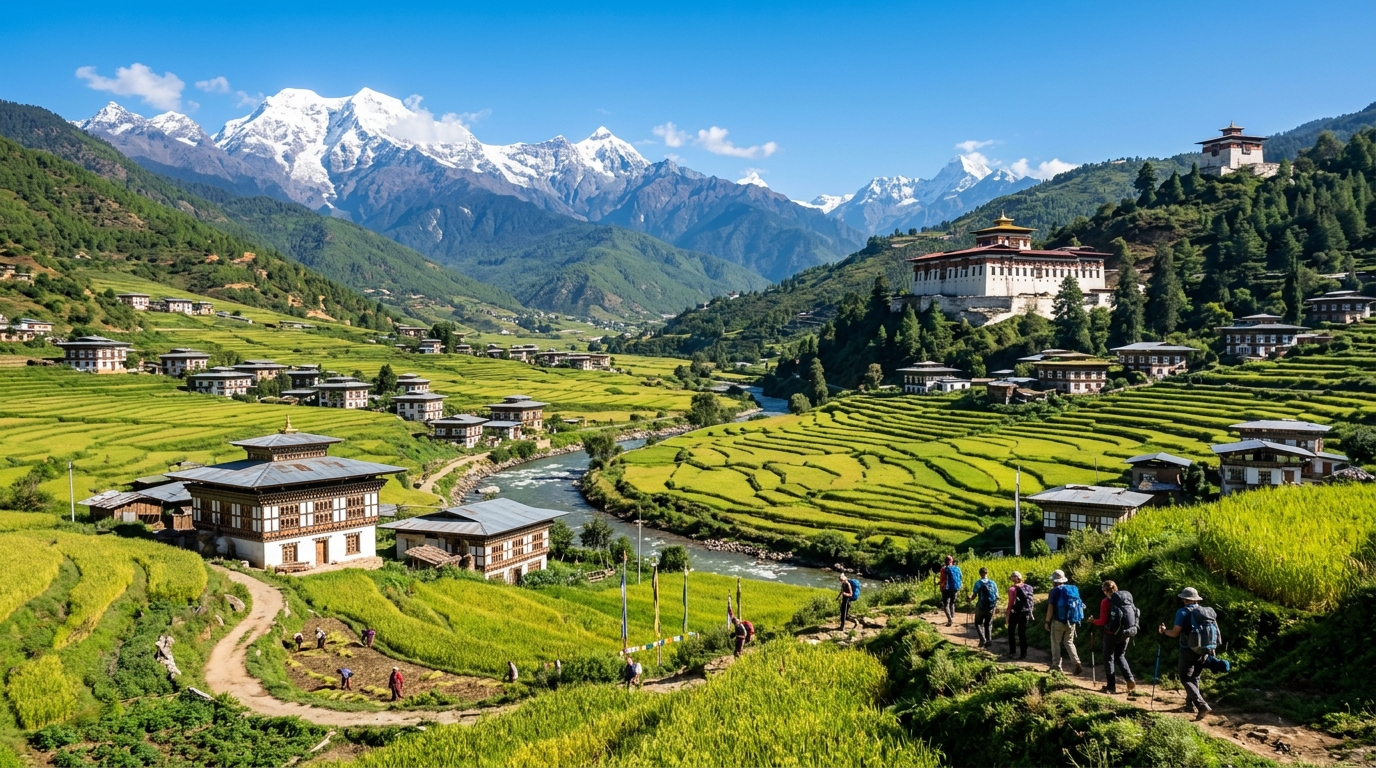
Himalayan Expedition Photography: Capturing 4x4 Vehicles in Epic Landscapes
Few travel experiences compare to photographing custom 4x4 expedition vehicles traversing the grand landscapes of the Trans-Himalayas, Western Ghats, or Bhutan pine valleys. Framing a dusty 4x4 against towering 20,000-foot snow peaks or turquoise high-altitude lakes requires an understanding of scale, lighting, and environmental protection for camera gear.
Here are pro tips for capturing epic overland expedition photography.
1. Composition & Establishing Sense of Scale
The biggest challenge in mountain photography is capturing the immense scale of Himalayan peaks relative to your vehicle.
- Rule of Thirds & Leading Lines: Position your expedition 4x4 along the lower third grid line of your frame, using winding mountain roads or riverbeds as leading lines that guide the viewer’s eye into the background peaks.
- Include Human Elements: Having a person standing beside the vehicle looking out over a canyon provides instant visual scale.
- Use Telephoto Lenses for Compression: While wide-angle lenses (16-35mm) capture vast sky vistas, telephoto lenses (70-200mm) compress distance—making background mountain peaks appear massive right behind your 4x4.
2. Polarizing Filters & Harsh Light Management
High-altitude mountain air is thin, making mid-day sun harsh with intense UV glare and deep shadows.
- Circular Polarizing (CPL) Filters: A CPL filter is essential for overland photography. It cuts windshield reflections, deepens blue sky saturation, and reveals vivid turquoise water colors in alpine lakes like Pangong Tso.
- Golden Hour & Blue Hour: Plan key photo stops around sunrise (Golden Hour) when warm side-lighting highlights vehicle body lines and mountain ridges.
3. Freezing Action & Dust Trails
Action shots of 4x4s kicking up dust clouds on gravel passes or splashing through river crossings add dynamic energy to your photo album.
- Action Shutter Speeds: Use 1/1000s or faster shutter speed to freeze water droplets mid-air during river crossings.
- Panning Shots: Set your shutter speed to 1/30s – 1/60s, track the moving vehicle in your viewfinder, and fire a burst shot to blur the background while keeping the car tack-sharp.
4. Drone Flying Safety in High Altitude & Border Zones
Aerial drone footage elevates overland documentation, but high altitude poses physical and legal hurdles.
- Battery Drain in Sub-Zero Temps: Lithium drone batteries lose up to 40% of their charge capacity in cold weather. Keep spare batteries warm inside your inner jacket pockets prior to flight.
- Reduced Lift in Thin Air: Air density at 14,000 feet is low; drone motors work harder and drain power faster. Use high-altitude props if available.
- Strict Border Restrictions: Flying drones near international borders (e.g., Eastern Ladakh, Pangong, Hanle, Spiti, or Bhutan border posts) is strictly illegal. Always verify local military regulations before launching.
Essential Photography Gear Checklist
| Gear | Purpose |
|---|---|
| CPL Filter | Cuts glass reflection, deepens sky & lake colors |
| 70-200mm Lens | Mountain background compression |
| Dust Blower & Microfiber | Cleaning fine shale/sand dust off lenses |
| Padded Camera Bag | Protecting gear against off-road vehicle vibration |
Capture the spirit of your overland journey, protect your optics from mountain dust, and document memories that last a lifetime!