Family Overlanding in the Himalayas: Keeping Kids & Passengers Safe, Warm & Engaged
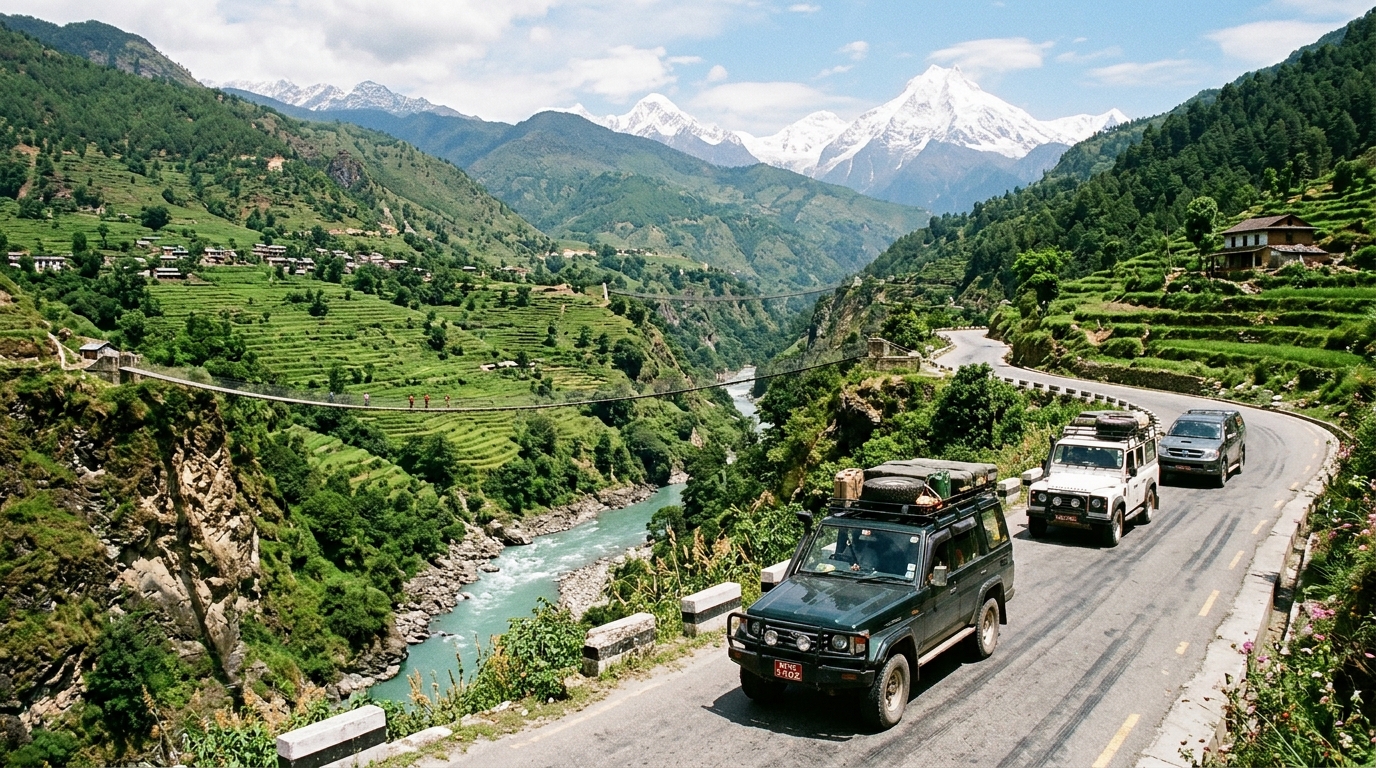
Family Overlanding in the Himalayas: Keeping Kids & Passengers Safe, Warm & Engaged
Embarking on a multi-day self-drive expedition across the Himalayas or Western Ghats with your family creates unforgettable bonds and lifelong memories for children. Introducing kids to high mountain passes, starry night skies, and diverse cultures fosters resilience and curiosity.
However, long driving hours, winding mountain roads, low temperatures, and high altitudes require extra planning when traveling with passengers of all ages. Here is how to execute a safe and comfortable family overland trip.
1. Thermal Layering & Cold Weather Clothing
Mountain weather changes rapidly. Keeping children warm and dry is essential to preventing cold stress and low immunity.
- 3-Layer System:
- Base Layer: Moisture-wicking synthetic or merino wool thermal underwear. Avoid cotton, which retains moisture and cools the body.
- Mid Layer: Fleece jacket or down sweater for insulation.
- Outer Layer: Windproof and waterproof hardshell jacket.
- Accessories: Fleece-lined beanies, neck gaiters, thermal gloves, and thick wool socks. Keep extra blankets inside the cabin for easy nap time comfort.
2. Managing Motion Sickness on Winding Ghats & Passes
Continuous hairpin switchbacks on mountain routes (such as Zoji La or Western Ghats ridge roads) can induce motion sickness in children and sensitive passengers.
- Seating Position: Position passengers prone to motion sickness in the front passenger seat or middle row window seats where they can look out at the horizon.
- Ventilation: Keep cabin air fresh by cracking open side windows or setting climate control to fresh air intake mode rather than recirculation.
- Natural Remedies: Ginger candies, peppermint lozenges, and acupressure wristbands help settle mild nausea.
- Pacing & Stops: Take a 10-minute break every 90 minutes. Let children stretch, run around, and breathe fresh mountain air.
3. In-Car Entertainment & Interactive Road Trips
Long driving stretches between destinations can lead to boredom if children rely solely on screen devices with fading battery life.
- Audiobooks & Podcasts: Download family-friendly adventure audiobooks and nature podcasts for offline listening.
- Expedition Wildlife & Landscape Bingo: Create a printed bingo sheet featuring mountain animals (yaks, marmots, eagles), prayer flags, waterfalls, and 4x4 accessories.
- Interactive Navigation: Teach older kids how to read topographic paper maps and track elevation gains on GPS devices.
4. Balancing Comfort & Roughing It
For family overlanding, a hybrid accommodation strategy works best:
- Combine 1 or 2 nights of mild camping under the stars with handpicked boutique hotels and luxury heritage estate resorts.
- Ensure accommodation stops have reliable heating, hot water, and fresh nutritious meals to keep energy levels high.
Family Road Trip Checklist
| Category | Recommended Gear / Strategy |
|---|---|
| Clothing | 3-Layer System (Merino Thermals, Fleece, Windproof Hardshell) |
| Medical | Motion Sickness Remedy, Oximeter, Child Rehydration Salts |
| Food & Snacks | High-energy trail mix, dry fruits, hot thermos flask |
| Entertainment | Offline Audiobooks, Topo Maps, Landscape Bingo Sheets |
Family overlanding in the Himalayas opens up extraordinary educational experiences for children. Plan well, travel at a comfortable pace, and cherish the journey together!